NDT Methods
Advance Solution Association for Non-Destructive Testing
Promoting NDT excellence across the South Mediterranean and Arab region.
Non-Destructive Testing (NDT) Methods
Ensuring Safety, Quality, and Structural Integrity Without Causing Damage
Introduction: Non-Destructive Testing (NDT) comprises advanced inspection techniques used to evaluate materials, components, and infrastructure without altering their usability. ASA-NDT promotes internationally recognized inspection standards aligned with ISO 9712 certification frameworks to support safe, reliable, and sustainable engineering practices.
For more information
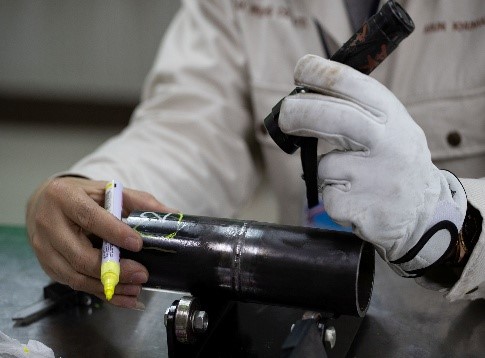
Visual Testing (VT)
Visual Testing (VT) is the most fundamental inspection method involving direct or remote observation using optical tools.
Applications
- Weld inspection
- Bridges & buildings
- Pipelines
- Industrial quality control
Key Benefits
- ✔ Fast and economical
- ✔ Immediate results
- ✔ Essential first-stage inspection
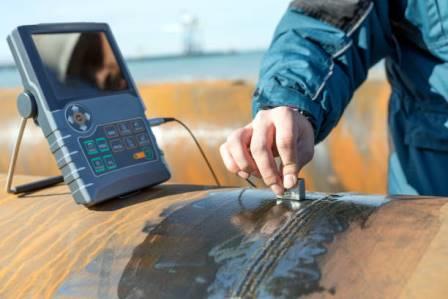
Ultrasonic Testing (UT)
Uses high-frequency sound waves to detect internal defects and measure thickness.
Applications
- Pressure vessels
- Structural steel
- Rail systems
- Concrete structures
Key Benefits
- ✔ Detects internal defects
- ✔ High accuracy
- ✔ Quantitative measurements
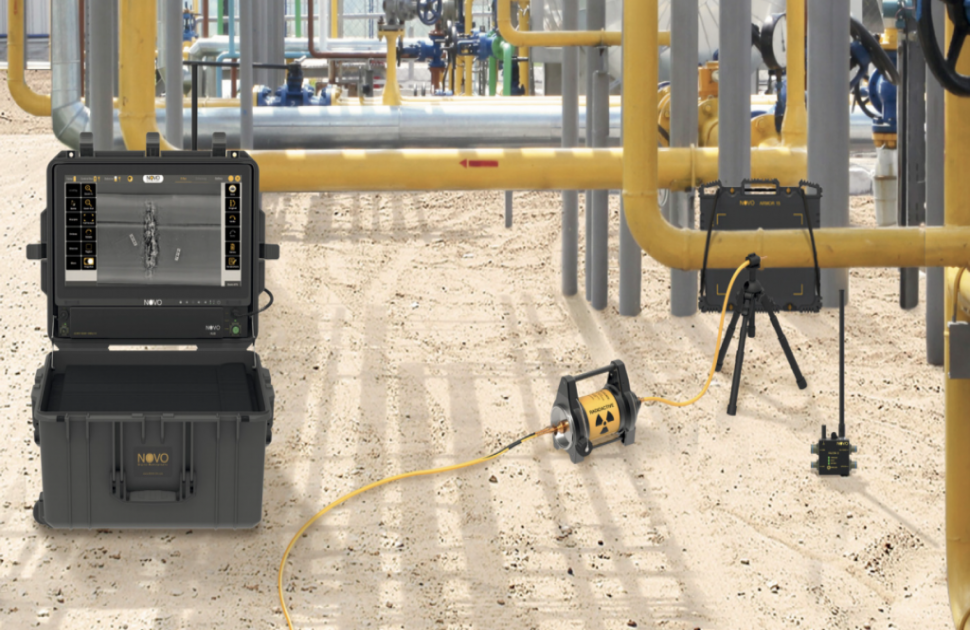
Radiographic Testing (RT)
Uses X-rays or gamma rays to produce images of internal structures.
Applications
- Oil & gas pipelines
- Aerospace components
- Casting inspection
Key Benefits
- ✔ Permanent inspection record
- ✔ Excellent defect visualization
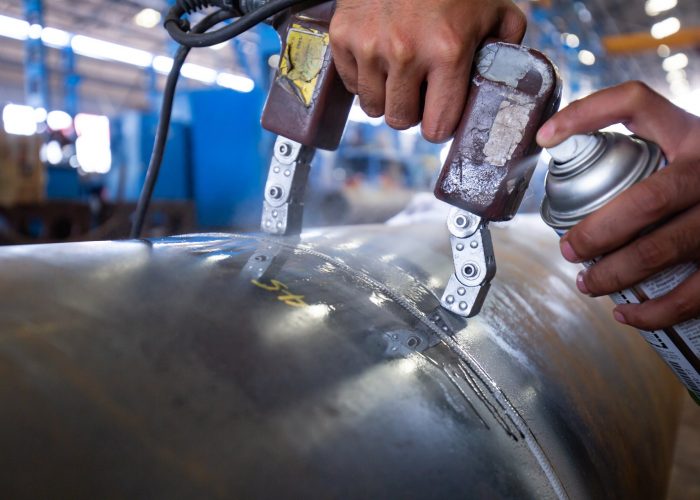
Magnetic Particle Testing (MT)
Detects surface and near-surface cracks in ferromagnetic materials using magnetic fields.
Applications
- Steel structures
- Automotive components
- Heavy machinery
Key Benefits
- ✔ Sensitive to small cracks
- ✔ Rapid inspection
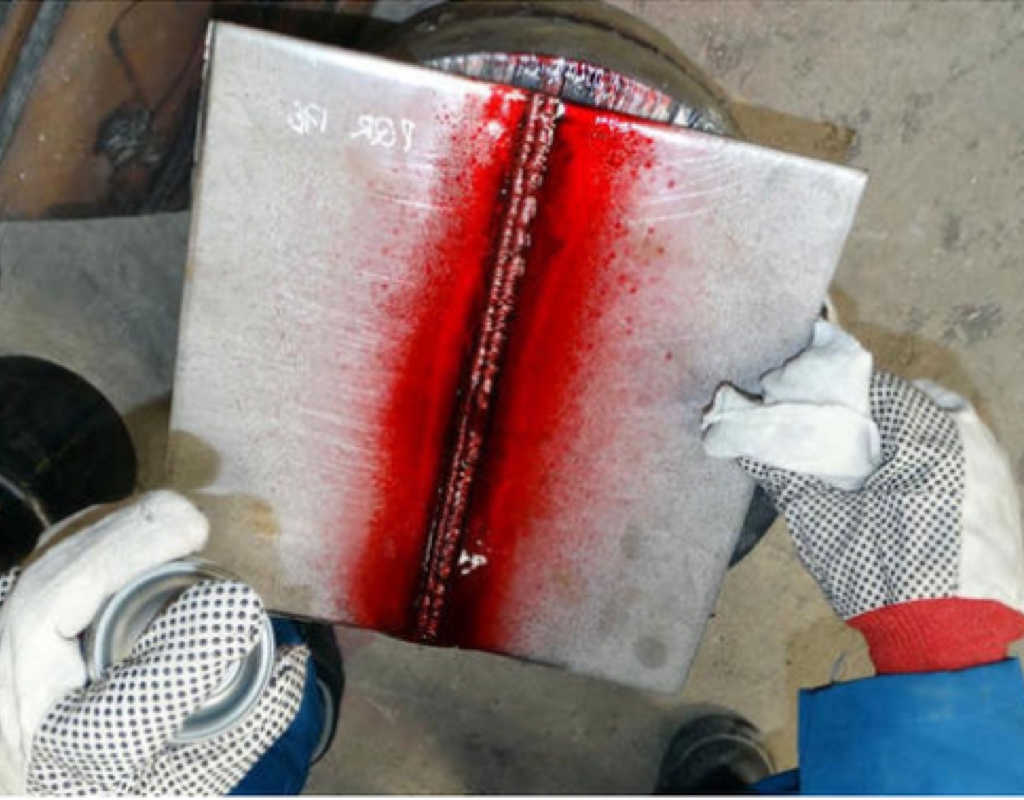
Liquid Penetrant Testing (PT)
Reveals surface-breaking defects using dye or fluorescent penetrants.
Applications
- Aluminum components
- Aerospace parts
- Stainless steel fabrication
Key Benefits
- ✔ Simple and cost-effective
- ✔ Suitable for non-magnetic materials
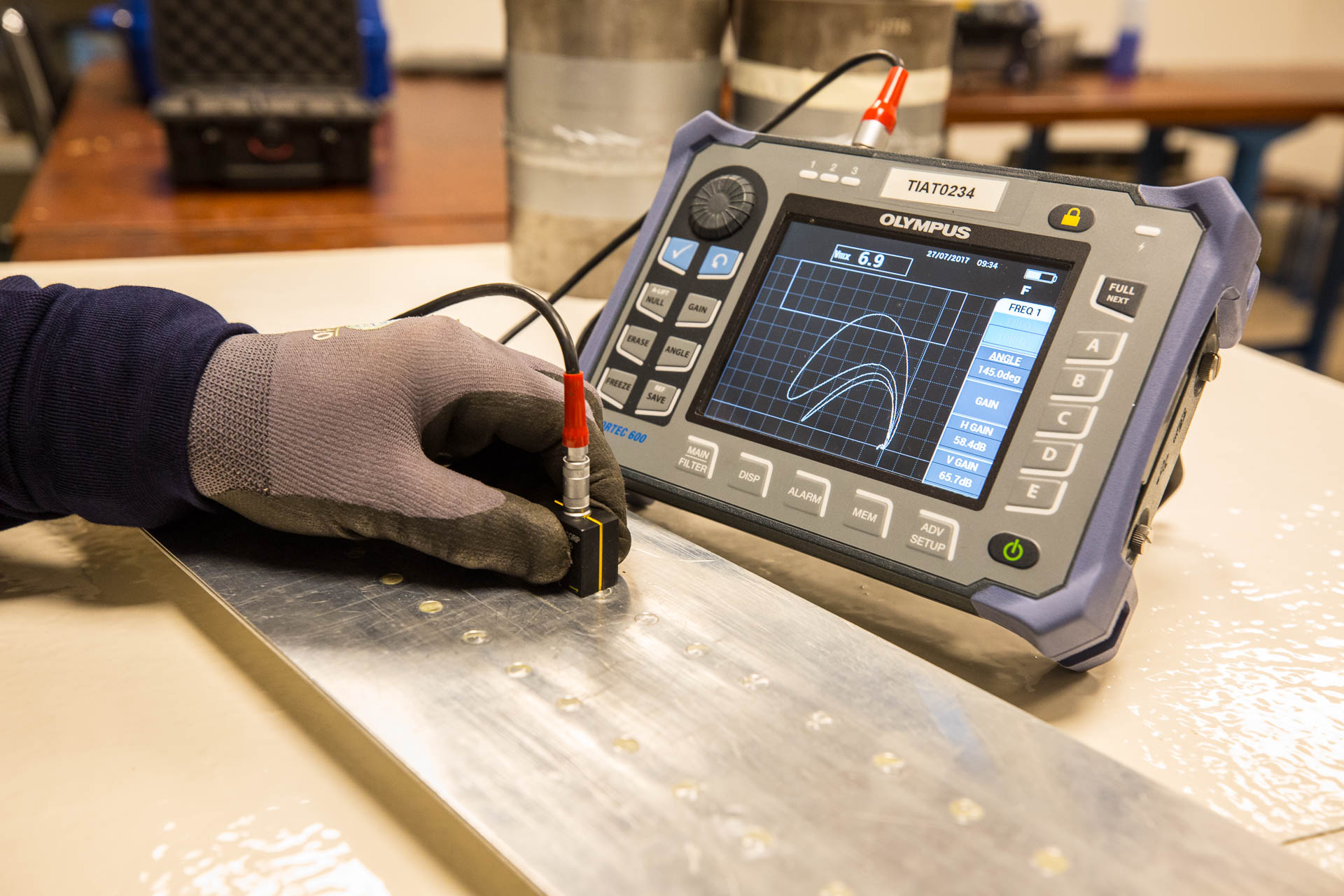
Eddy Current Testing (ET)
Uses electromagnetic induction to detect surface and near-surface defects in conductive materials.
Applications
- Aircraft fuselage
- Heat exchangers
- Power plants
Key Benefits
- ✔ No couplant required
- ✔ High-speed inspection
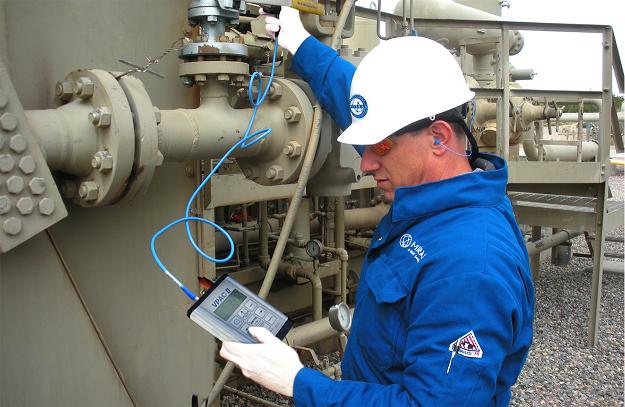
Acoustic Emission (AE)
Monitors stress waves generated from crack growth during loading.
Applications
- Storage tanks
- Bridges
- Composite materials
Key Benefits
- ✔ Real-time monitoring
- ✔ Large-area coverage
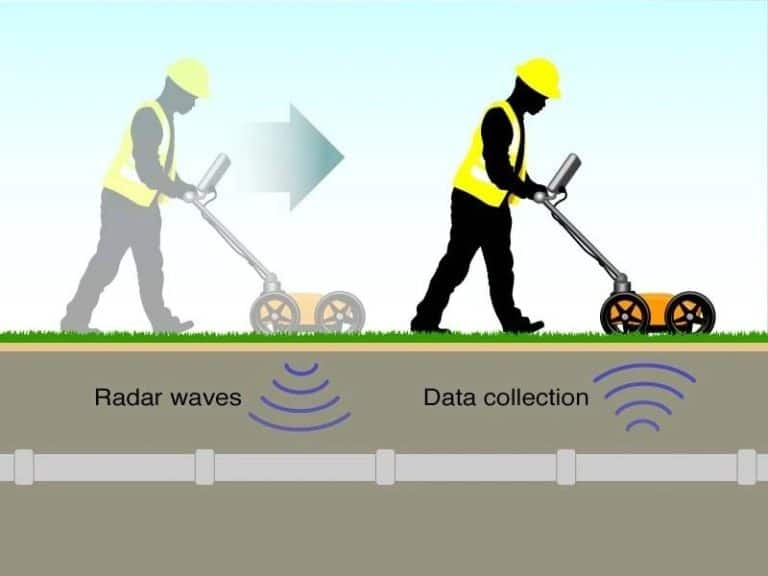
Ground Penetrating Radar (GPR)
Uses electromagnetic waves to detect embedded objects and voids in concrete and soil.
Applications
- Rebar detection
- Pavement inspection
- Utility mapping
Key Benefits
- ✔ Non-invasive
- ✔ Rapid scanning
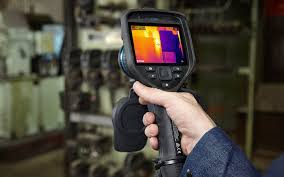
Infrared Thermography (IRT)
Detects thermal variations indicating subsurface defects.
Applications
- Building envelope inspection
- Electrical systems
- Infrastructure diagnostics
Key Benefits
- ✔ Non-contact method
- ✔ Wide-area inspection
Method Selection Guide
| Applications | Recommended NDT Methods |
|---|---|
| Surface Cracks | VT, PT, MT |
| Internal Flaws | UT, RT |
| Concrete Assessment | GPR, Impact-Echo, UT |
| Corrosion Monitoring | UT, ET |
| Real-Time Structural Monitoring | AE |
Standards and Certification
- International Organization for Standardization (ISO 9712 – NDT Personnel Certification)
- American Society for Nondestructive Testing (ASNT Certification)
- European Federation for Non-Destructive Testing
Training and Certification Pathways
- Level I
- Level II
- Level III
- Specialized infrastructure NDT
- Concrete & structural diagnostics
Need Expert Guidance?
Our certified professionals help industries maintain compliance, safety, and performance excellence.